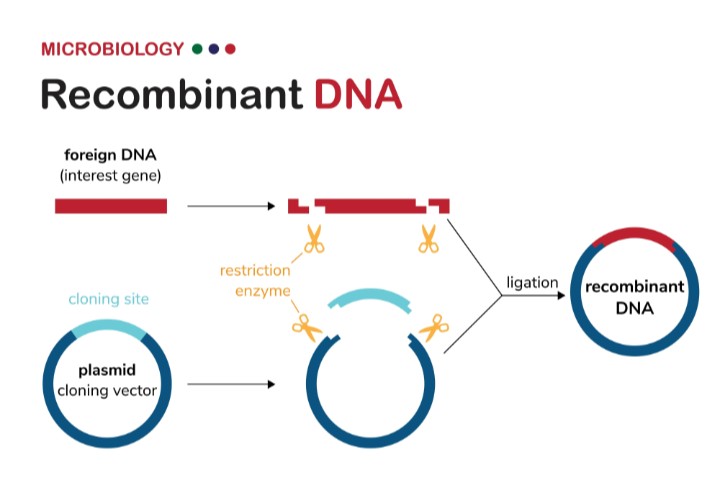
The term bioengineered means an organism that has been created or modified using genetic engineering techniques.
Here is a more detailed breakdown:
🧬 Bioengineered Definition
A bioengineered organism is one whose genetic material (DNA) has been intentionally altered in a laboratory using modern biotechnology. This process is often referred to as genetic modification or genetic engineering.
Key Characteristics
- Intentional Alteration: The change to the organism’s DNA is not the result of natural mutation or traditional breeding methods (like cross-pollination or selective breeding). It is a precise, directed change made by scientists.
- Novel Traits: The purpose of bioengineering is to give the organism a new or enhanced trait that it would not naturally possess. Examples include:
- Making crops resistant to specific pests (e.g., Bt corn).
- Making crops tolerant to herbicides (e.g., Roundup Ready soybeans).
- Creating microorganisms that can produce specific pharmaceuticals (e.g., bacteria modified to produce human insulin).
Common Terms
- GMO (Genetically Modified Organism): This is the most common term used to describe a bioengineered organism, particularly in agriculture.
- Genetic Engineering: The technology used to make the changes, such as using molecular tools to cut, paste, and edit genes.
In the context of the USDA’s National Bioengineered Food Disclosure Standard in the United States, “bioengineered” specifically refers to foods that:
- Contain detectable genetic material.
- Have been modified through in vitro recombinant deoxyribonucleic acid (DNA) techniques.
- Cannot be achieved through conventional breeding or found in nature.